
How much does a WordPress website cost in 2026?
How much does a WordPress website cost in 2026? Domain, hosting, theme, plugins, security and maintenance priced honestly, with a build-vs-DIY verdict.
By CINEM Team
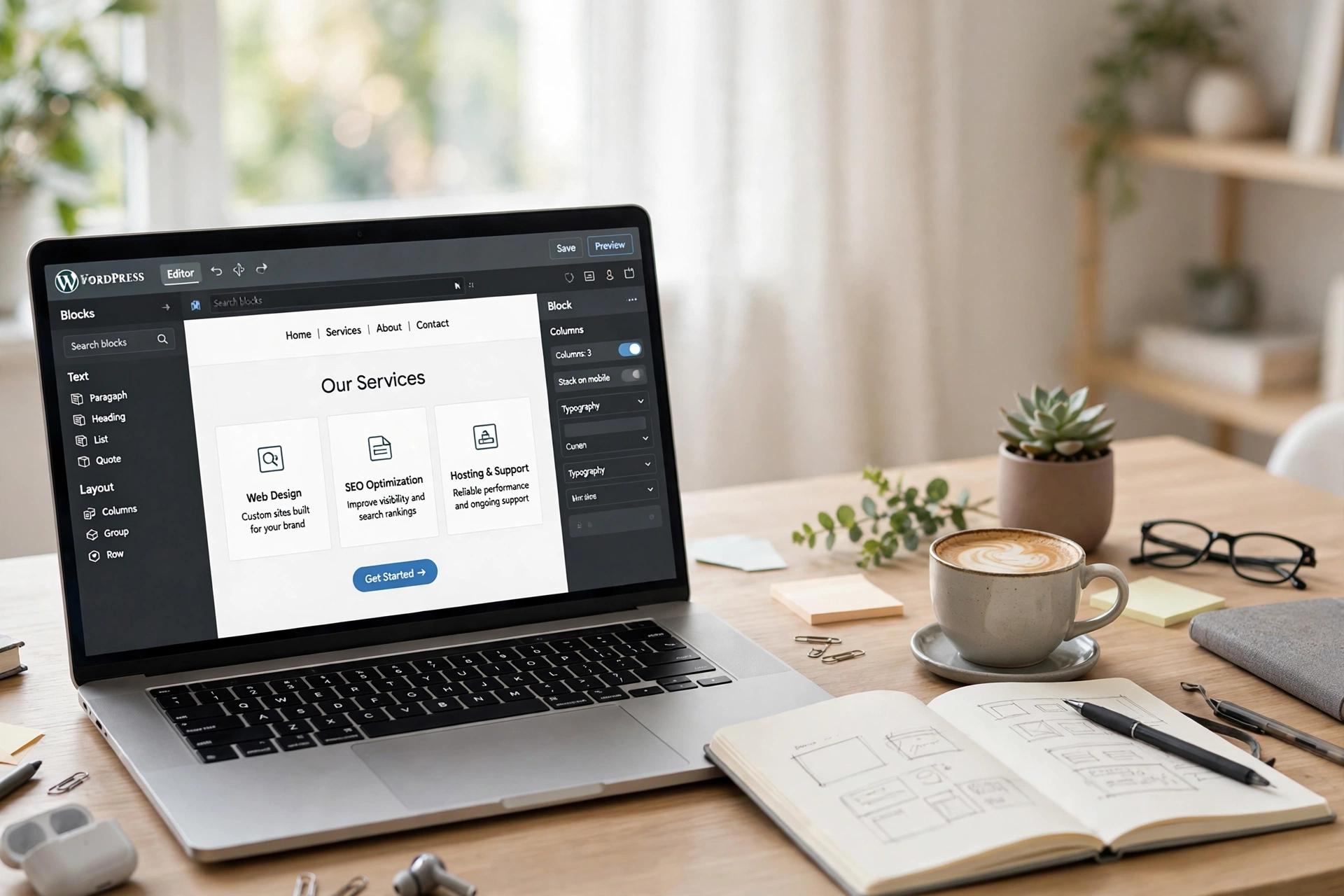
WordPress powers an enormous share of the websites on the internet, with a reputation for being cheap. That reputation is half true. The software itself is free, and you can put a website online for the price of a domain name and a few dollars of hosting. But the website most businesses actually need is not the free version. It is a fast, secure, professional site with a proper design, the plugins that make it work, content that brings in customers, and someone keeping it updated and safe. This guide prices a WordPress website honestly in 2026: what each part costs, what the running costs look like year after year, and when to build it yourself, hire a freelancer, or have an agency build it.
The short answer
A WordPress website costs $1,499 to $8,000 if an agency builds it, or roughly $200 to $600 in the first year if you build it yourself with a premium theme and a few paid plugins, plus your time. The do-it-yourself route looks cheap because the biggest cost, your time, never appears on an invoice. A professional WordPress build from CINEM starts at $1,499 for a Basic site, $3,999 for Standard, and $8,000 for Premium, and that is the whole build, including design, development, copy structure, basic SEO setup, contact forms and a WhatsApp enquiry route. The honest rule: WordPress is cheap to start and expensive to neglect, because a site that nobody updates, backs up and secures will eventually break, get hacked, or stop ranking. If you want the wider picture on website pricing beyond WordPress, our related post How much does a website cost in 2026? An honest breakdown covers the same logic for any platform, and our related post WordPress vs custom website: which is cheaper over 5 years? compares WordPress with a custom build over a longer horizon.
What you pay for in year one
A WordPress website has five costs in the first year, and it helps to see them separately. The first is the domain name: $12 to $20 a year for a .com, a little less for some other endings. Buy it yourself, in your own name, because a domain owned by someone else is a problem you will pay to fix later. The second is hosting, where the site lives. Shared hosting costs $5 to $15 a month, and it is fine for a small brochure site with little traffic. Managed WordPress hosting costs $20 to $50 a month, and it is worth it for most businesses, because it handles updates, backups, security and speed, and a slow or unreliable host costs you customers. The third is the theme, the design. There are good free themes, fine for a simple site, but most businesses buy a premium theme for $50 to $200, because it looks better, is better supported, and can be customised without rebuilding the whole site. The fourth is plugins, the features: a contact form, an SEO tool, a backup tool, a security tool, and whatever your business needs, such as bookings, a shop, or a gallery. Many are free, and the paid ones typically cost $49 to $199 a year each, so a typical business site spends $100 to $400 a year on plugins. The fifth is content and setup: the pages, the copy, the images, and the configuration, which is where the do-it-yourself route stops being free, because writing good copy and setting up a site properly takes days, not hours. All together, the first year is roughly $200 to $600 for a do-it-yourself site, before your time.
The ongoing yearly costs
The costs after year one surprise more owners than the build itself, because WordPress is a living system that needs looking after. Hosting renews every year, and the renewal price is often higher than the first-year offer, so check it before you buy, not the introductory price. The domain renews at $12 to $20 a year. Premium themes and plugins renew every year too, usually at the same price, and if you stop paying, you stop getting updates, which is a security risk. Then there is maintenance, the cost people forget and the one that matters most. WordPress, the theme and every plugin need updating, and updates sometimes break things, so someone has to test them, fix them, back the site up, and watch for security problems. A site nobody maintains slowly decays: a plugin breaks, a form stops sending, a page goes blank, and nobody notices for weeks. Worse, an unmaintained WordPress site is a target. WordPress is popular, which makes it a popular target for automated attacks, and a hacked site costs far more to clean up than a year of maintenance. At CINEM, Care retainers are $499, $1,499 or $3,999 per month, and they cover hosting, security, updates, monitoring and ongoing improvement as one service. Content is the other ongoing cost. A website with five pages that never changes will not rank for much, and ranking takes regular new pages: our related post How much does SEO cost per month? explains what that work costs. Budget for the second year as honestly as the first: a website is a sales tool you keep, not a poster you print once.
DIY, freelancer or agency?
There are three ways to get a WordPress website, and the right one depends on your budget, your time, and how much the website matters to your business. Doing it yourself costs the least in money and the most in time. If you enjoy the work, have a weekend to spare, and only need a simple site, it is a reasonable choice. But be honest about the result: a do-it-yourself site usually looks like a template, the copy is written in a hurry, and the SEO is whatever the default settings produce. It is a presence, not a sales tool. A freelancer costs less than an agency, often $500 to $3,000 for a WordPress site, and a good one can build a clean, fast site. But one person is also the designer, developer, copywriter and support desk, so quality depends entirely on who you find, and support can disappear when they take another project. An agency costs more, but you get a team, a process, and someone to call when something breaks. At CINEM, a Basic website starts from $1,499, Standard from $3,999, and Premium from $8,000, the whole build, not a monthly fee, with design, development, copy structure, SEO setup, forms and a WhatsApp route included. The difference between the routes is not the software, which is the same WordPress either way. It is the design, the copy, the speed, and the support after launch. A website that brings in enquiries is worth more than a website that merely exists, and the gap between the two is usually the work around the software, not the software itself.
When WordPress is the wrong choice
WordPress is the right choice for most business websites, but not for all of them. It is at its best for content-heavy sites: blogs, business sites, brochure sites, and small shops. It is less good for a complex web application, such as a customer portal, a booking system with custom rules, or a marketplace, where a custom build is usually cheaper in the long run, because you stop fighting the platform. Our related post Custom software development cost: a realistic guide prices that route. WordPress is also the wrong choice if nobody will maintain it. A WordPress site that nobody updates is a liability, and if you know nobody will look after it, a hosted platform or a managed service is safer. The same applies if you need something very fast and very simple: a single landing page for an advert is often better built as a simple page than as a full WordPress installation. The question is whether WordPress fits what you need, who will maintain it, and what it has to do for your business. If the answer is a professional business website that you will keep updated, WordPress is an excellent choice, and it is the platform many of our clients use. If the answer is a complex application, or a site nobody will ever touch again, say so early, because the cheapest WordPress site is the one you never have to rebuild.
How to keep the cost down without cutting corners
There are sensible ways to keep a WordPress website affordable, and false economies that cost more later. Start with good hosting, because cheap hosting is the most expensive mistake: a slow site loses customers, and a host that goes down takes your business offline. Buy the theme once, and choose one that is well supported and widely used, because a theme abandoned by its author becomes a security risk. Pay for the plugins you actually need, and remove the ones you do not: every plugin is a thing to update, a thing that can break, and a thing that can slow the site down. Write the content properly, or pay someone who will: a website with thin, hurried copy will not rank and will not convert, however good the design is. Set up maintenance from the start, not after the first problem, because prevention is cheaper than repair. The costs you should not cut are security, backups, and speed. A site with no backup is one bad update away from losing everything. A site with no security is one automated attack away from a hacked homepage. And a site that loads slowly on a phone loses customers before they read a word. Our related post How fast should your website load? Speed, SEO and lost sales explains the speed targets that matter. Spend the money where it protects the business, and save it where it does not.
Frequently asked questions
How much does a WordPress website cost in 2026?
A do-it-yourself WordPress site costs roughly $200 to $600 in the first year for a domain, hosting, a premium theme and a few paid plugins, plus your time. A professional agency build costs $1,499 to $8,000 with CINEM: Basic from $1,499, Standard from $3,999, Premium from $8,000. Ongoing yearly costs are hosting, domain, theme and plugin renewals, plus maintenance.
Is WordPress really free?
The software is free, but the website is not. You pay for a domain, hosting, a theme, plugins, and maintenance. A serious business site typically costs $200 to $600 a year in cash, plus the time or money spent keeping it updated, backed up and secure.
How much does WordPress hosting cost?
Shared hosting costs $5 to $15 a month and suits a small brochure site. Managed WordPress hosting costs $20 to $50 a month and is worth it for most businesses, because it handles updates, backups, security and speed. Always check the renewal price, not only the first-year offer.
Do I need to pay for a WordPress theme?
No, there are good free themes, but most businesses buy a premium theme for $50 to $200, because it looks better, is better supported, and can be customised without rebuilding the site. Choose one that is widely used and actively maintained.
Is WordPress safe for a business website?
Yes, if it is maintained. WordPress is popular, which makes it a popular target for automated attacks, so updates, backups and security monitoring matter. A maintained site is safe. An unmaintained one is a risk, and cleaning up a hacked site costs far more than a year of maintenance.
If you are thinking about a WordPress website for your business, it is worth an honest conversation before you spend anything. Tell CINEM at hello@cinem.tech what your website should do, whether you want to manage it yourself or have it looked after, and what a new enquiry is worth to you. We will scope the right site, from a Basic build at $1,499 to a full Premium site at $8,000, and price it honestly, with the running costs included.